

Subscribe to continue reading
Subscribe to get access to the rest of this post and other subscriber-only content.

Subscribe to get access to the rest of this post and other subscriber-only content.

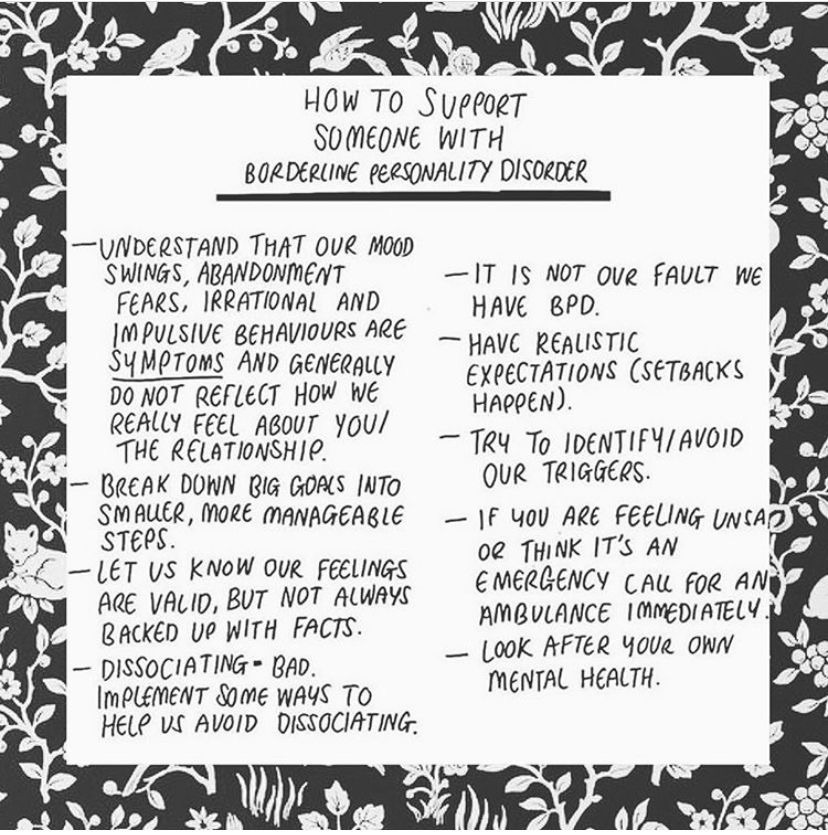
I was first diagnosed with PTSD and bipolar disorder, but later learned that I actually had borderline personality disorder—a condition that, like so many others, carries heavy stigma. What strikes me is not just the difficulty of navigating shifting diagnoses, but the way society layers shame onto mental illness itself. Instead of compassion and understanding, people living with these conditions often face judgment, stereotypes, and silence, which only deepens the struggle.
Read More »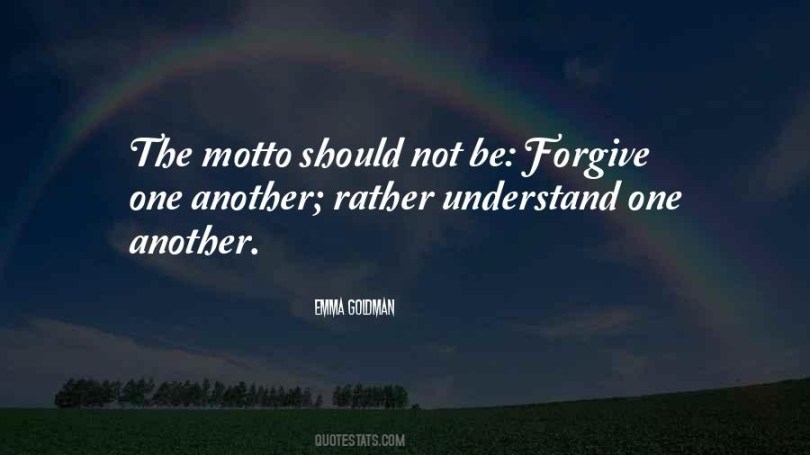
Today is World Kindness Day, and I’ll admit I haven’t felt like a particularly kind person lately. There are times when repeated, intentional hurt from others makes your capacity for kindness feel finite and depleted.
Read More »
Just when I thought Cold War diplomacy couldn’t get weirder, Rick Doblin enters stage left with a proposal straight out of a psychedelic utopia: dose Soviet officials with MDMA to ease nuclear paranoia. Not theoretically. Literally.
Read More »Lessons From Lenin on Despair and Struggle
by Tina Marie, May 18th, 2025
Read More »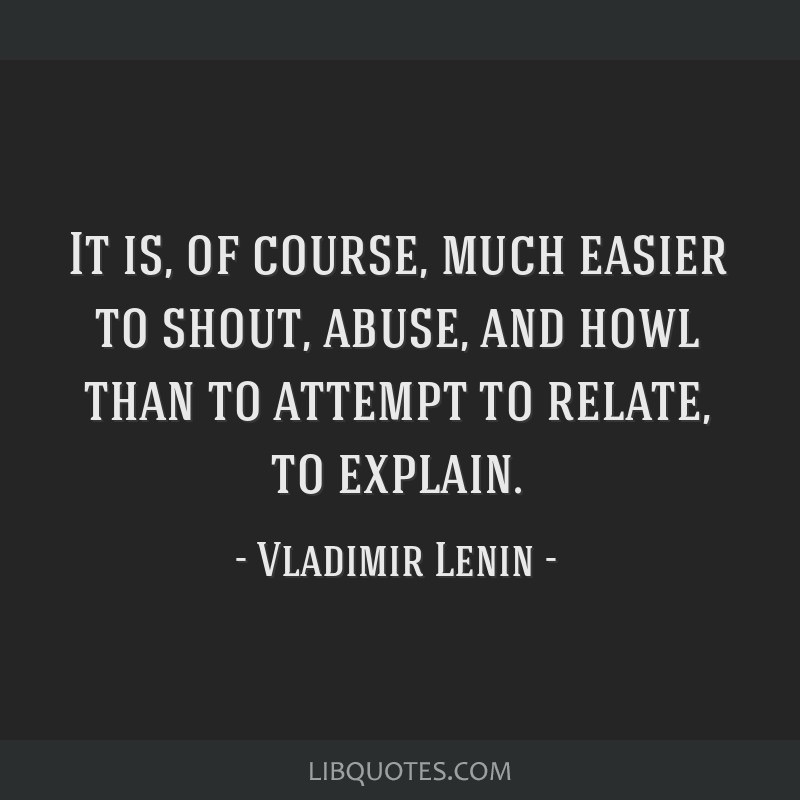
Vladimir Lenin once remarked, “It is, of course, much easier to shout, abuse, and howl than to attempt to relate, to explain,” highlighting the value of constructive dialogue and education over emotional outbursts or hostile rhetoric. As a revolutionary thinker and leader, Lenin stressed the importance of articulating ideas and strategies clearly to foster understanding and rally support for the socialist movement.
He criticized those who relied on anger, insults, or simplistic slogans, arguing that such tactics undermined the more challenging but essential work of educating and persuading others. For Lenin, successful revolutionary efforts depended on thoughtful explanation, open dialogue, and the ability to engage with people on a rational level. This method was crucial for building a disciplined and informed movement capable of achieving lasting goals, rather than succumbing to fleeting emotional appeals or divisive strategies.
Ultimately, Lenin advocated for a deliberate and strategic approach to political struggle—one rooted in clarity, reason, and the empowerment of the working class through education and mutual understanding.


 Ms. Cat’s Chronicles
You must be logged in to post a comment.