The Grayzone’s Max Blumenthal addressed the UN Security Council on the role of US military aid to Ukraine in escalating the conflict with Russia and the real motives behind Washington’s support for Kiev’s proxy war.
In the absence of official scrutiny of Washington’s spending spree on Ukraine, The Grayzone conducted an independent audit of US funding for the country. We discovered a series of wasteful, highly unusual expenditures the Biden administration has yet to explain.
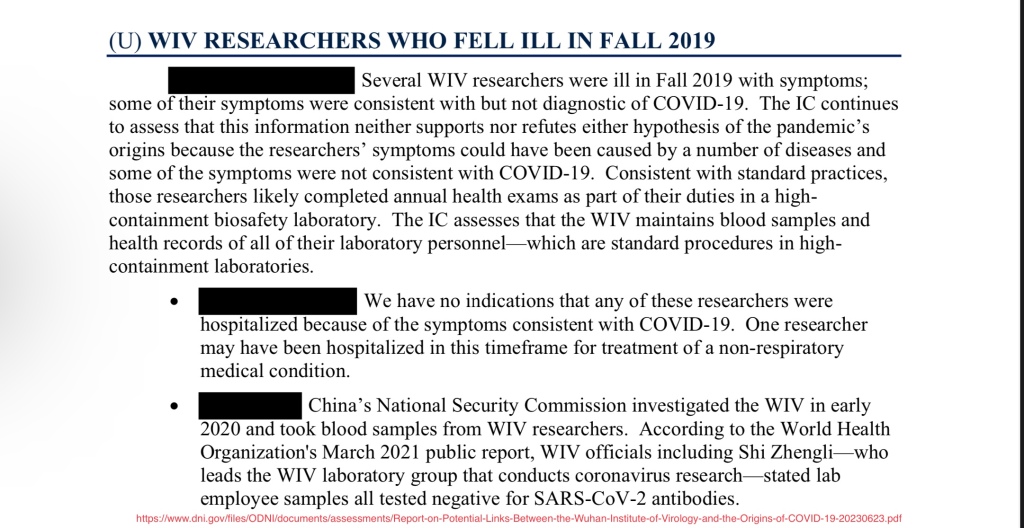
Cleared by Congress, legislation later signed by US President Joe Biden in March ordered the Director of National Intelligence (DNI) to declassify information regarding the potential origins of SARS-CoV-2, the virus that causes COVID-19. The measure forced the DNI to declassify its report within 90 days.
Hu and two of his WIV colleagues were thrown into the furious COVID-19 origin debate on 13 June when an online newsletter called Public said the three scientists developed COVID-19 in November 2019. That was prior to the outbreak becoming public when a cluster of cases at the end of December 2019 surfaced in people linked to a Wuhan marketplace. Public’s report was quickly embraced by a camp that argues COVID-19 came from a virus stored, and possibly manipulated, at WIV, rather than from infected animal hosts, perhaps being sold at the Wuhan market. A Wall Street Journal (WSJ) article on 20 June that said it had “confirmed” the allegations against the three, without referring to any public evidence or named sources with direct knowledge, fueled the flames even more. Social media and other publications spread the charges—and the scientists’ names.
We told you that the app that the U.S. was testing on Ukraine was coming to the U.S. next and it’s here. The app was created by Google and it is a government’s dream. It lets you track you and lets you track your neighbors. What more could a nefarious government agency want??
Late last year, my name was added to a blacklist published online by the Ukraine Center for Countering Disinformation. I joined over ninety others deemed to be “speakers who promote narratives consonant with Russian propaganda.“
I have been wrestling with the issue of Russophobia in the United States for some time now. As someone who cut his academic teeth studying Russian history in college, and who, at an early stage in my development as an adult had the opportunity to live and work in Russia during the Soviet era, I have a deep, yet admittedly incomplete, appreciation for Russian culture, language and history. This appreciation has empowered me to make informed judgments about Russia, its political leadership, and its people, especially when assessing the interactions between Russia and the United States today.
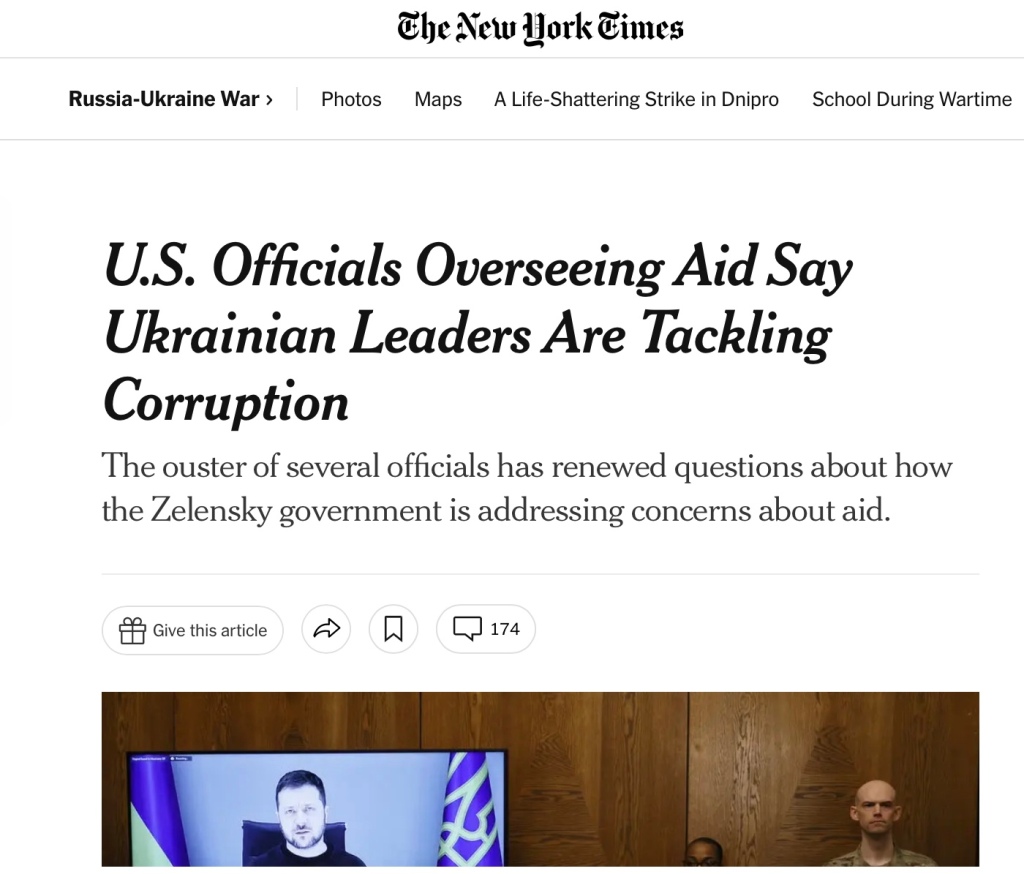
Since the start of the war in Ukraine, U.S. officials have watched with some anxiety as billions of American dollars flowed into the country, well aware of Kyiv’s history of political corruption and fearing that aid might be siphoned off for personal gain.



 Ms. Cat’s Chronicles
You must be logged in to post a comment.