
Section 230 is vital to free speech on the internet, and its critics are often misguided or wrong about the law.
Why repealing or weakening Section 230 is a very bad idea
Tag: WhatsApp
“Lies Have Short Legs”: Inside the Brazilian WhatsApp Group Exposing George Santos


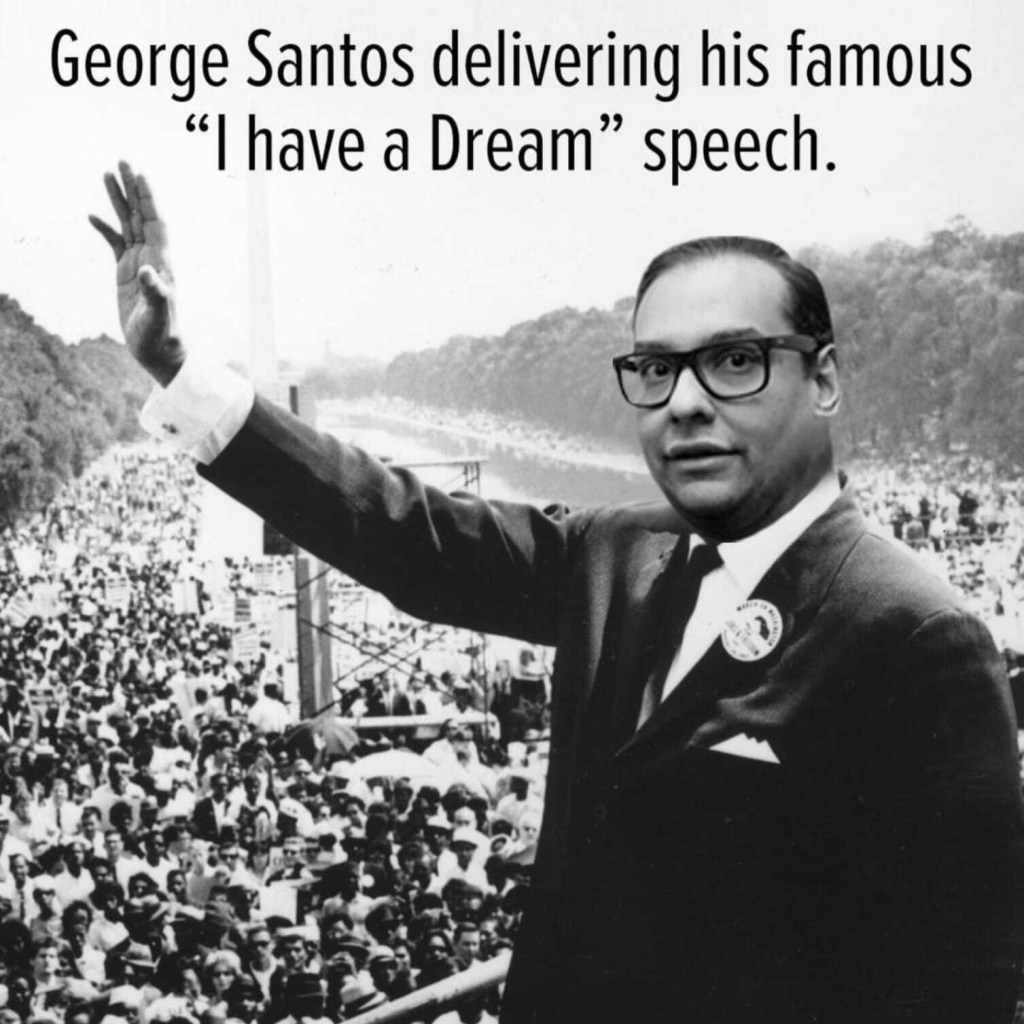
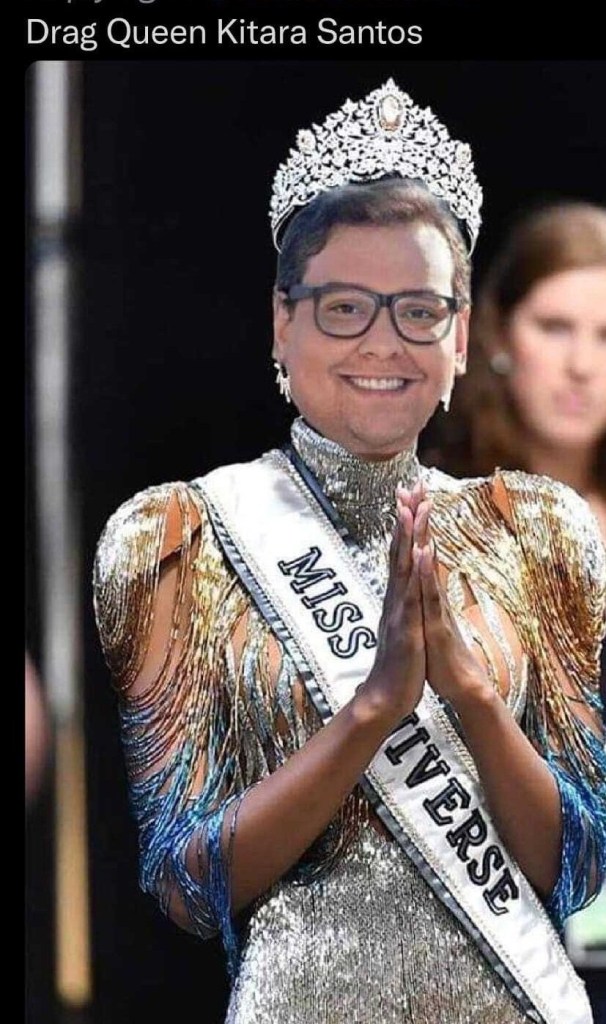
“Lies Have Short Legs”: Inside the Brazilian WhatsApp Group Exposing George Santos
Politicians and commentators are blocked online in Brazil after censorship order targets Bolsonaro support
The censorship power lies with a single judge, Alexandre de Moraes.
Politicians and commentators are blocked online in Brazil after censorship order targets Bolsonaro support


Related:
Tech companies under fire after Brazilian riots repeat Jan. 6 pattern
[SumOfUs] Researchers analyzed five livestream broadcasts from far-right YouTubers taking part in the riots and mapped how the content was posted across other platforms, mainly Facebook.
How Meta and Google enabled and profited from the terrorist attacks in Brazil’s capital (PDF)
Stop the Steal 2.0: How Meta and TikTok Are Promoting a Coup (PDF)



The origins of the anti-Qatar lobby on the World Cup Parts 1 & 2
As the World Cup gets fully underway, we can review the massive international campaign to make sure it never happened. The campaign was – obviously – not a success, but it involved at least seven countries and a host of lobby groups, PR firms, think tanks, and front groups. The first part of this investigation looks at the role of “Israel” which started the ball rolling back in 2014.
The origins of the anti-Qatar lobby on the World Cup
Related:
We Found the Guys Behind the Hunter Biden Porn That Elon Musk Won’t Shut Up About
On the evening of October 24, 2020, a guy who goes by the name Wenyang tweeted a picture of Hunter Biden. Hunter was facing a mirror in what looked like a hotel room, with his penis exposed.
We Found the Guys Behind the Hunter Biden Porn That Elon Musk Won’t Shut Up About
The DEA Is Using Israeli Spyware
The market for commercial spyware — which allows governments to invade mobile phones and vacuum up data — is booming. Even the U.S. government is using it.
How the Global Spyware Industry Spiraled Out of Control
EARN IT Act Will Make The Internet Worse For Everyone By Undermining Privacy And Security
To save the children, we must destroy everything. That’s the reality of the EARN IT Act. I mean, you can get some sort of sense of what you’re in store for just by reading the actual words behind the extremely labored acronym: Eliminating Abuse and Rampant Neglect of Interactive Technologies Act. Whew. It’s a mouthful. And, given the name, it seems like this would be Congress putting funding towards supporting moderation efforts that target abusive content.
EARN IT Act Will Make The Internet Worse For Everyone By Undermining Privacy And Security
Related:
State Department tells staff abroad to promote anti-populist ‘disinformation’ game in schools


The same State Department office that partnered with a Department of Homeland Security-backed private consortium that reported purported election misinformation to tech platforms for removal in the 2020 and 2022 cycles is also using internet games to affect elections abroad.
State Department tells staff abroad to promote anti-populist ‘disinformation’ game in schools (archived)
The game was originally meant for foreign countries to combat populist sentiment. FFO explains how it actually ‘boomerangs’ to the US. ⬇️
Related:
US Gov’t Funding ‘Disinformation’ Video Game ‘Cat Park,’ Leaked State Dept Memo Reveals
Global Engagement Center Fighting Russian Propaganda with American Propaganda


 Ms. Cat’s Chronicles
You must be logged in to post a comment.