
Tag: Women’s Rights
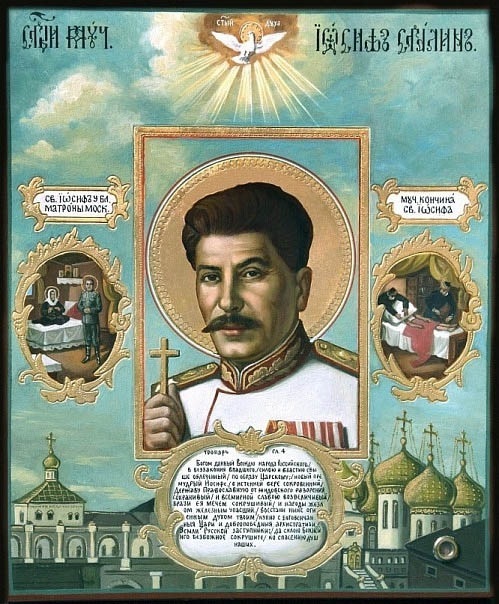
Joseph Stalin and Religious Freedom
Am I a Traitor to My Own Sex?
Lately I’ve been watching videos by women who identify as radical feminists. I’m not sure which wave this represents; I’m still grounded in Marxist feminism, where the focus is on economic structures, not sweeping claims about entire genders. These newer arguments feel disconnected from anything material.
Read More »They Want Us Numb
Medicine, power and political control
“Down with the liars who are talking of freedom and equality for all…”

The Subjugation of Women Under Capitalism: The Bourgeois Morality

How African Advocates Are Redefining Freedom With Atlas Network’s Support +
How African Advocates Are Redefining Freedom With Atlas Network’s Support
“Atlas Network is the reason we have a community of freedom advocates in Africa,” she told The Liberalist. “Through their mentorship, training, and grants, young Africans have become leaders, running projects from Burundi to Tanzania, Uganda to Ghana. These projects are changing lives.”
Related:
Atlas Network Announces Three Finalists for the 2025 Africa Liberty Award
Read More »Workers World: PDF of November 20 print issue
The “Sexual Revolution:” An Unwitting Instrument of Capitalist Counterrevolution’s Devastating Public Health Legacy
The so-called “sexual revolution” that began in the 1960s and 1970s, hailed by bourgeois liberals and postmodern academics as a triumph of individual liberation and progressive reform, also became bound up with deeply reactionary phenomenon. From advancing the cause of human emancipation, it became a critical component of the broader social counterrevolution orchestrated by the ruling classes to undermine the potential of the working class. This pseudo-liberation, rooted to a notable extent in the decay of capitalist society, has contributed directly to profound negative impacts on public health, including the explosive proliferation of sexually transmitted infections (STIs), mental health crises, and the commodification of human relationships under the guise of “freedom.”
Related:
 Ms. Cat’s Chronicles
You must be logged in to post a comment.