

Once in a while, I listen to “establishment controlled” Democracy Now. Today, I decided to listen to their episode with Bernie Sanders’ former foreign policy adviser, Matt Duss. They talked about how the Democratic Party has become “The Party of War” as if it’s something that’s recently happened. Left out of this conversation was if the Democratic Party was ever anti-war? I don’t recall a time in my life in which the Democrats were.
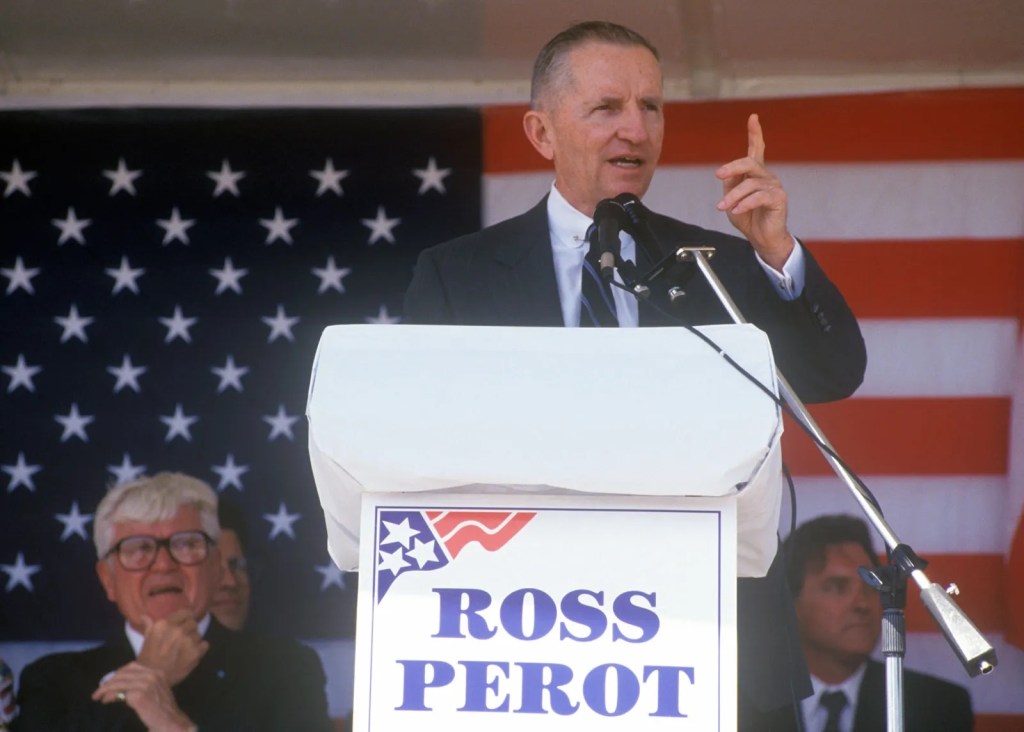
I voted for Ross Perot in the 1992 presidential election, which was the first election that I was eligible to vote in. Perot was against NAFTA and the Gulf War (Clinton supported the war and signed NAFTA into law).

Wikimedia
Over a two-decade period, NAFTA resulted in the loss of up to 600,000 jobs, including mine. A contributing factor in the closing of the Janesville, Wisconsin facility was General Motors’ choice to relocate operations to Mexico. A major blow to the local economy was caused by the 2009 closure. Deindustrialization, job losses, and a drop in manufacturing were all suffered by the city.
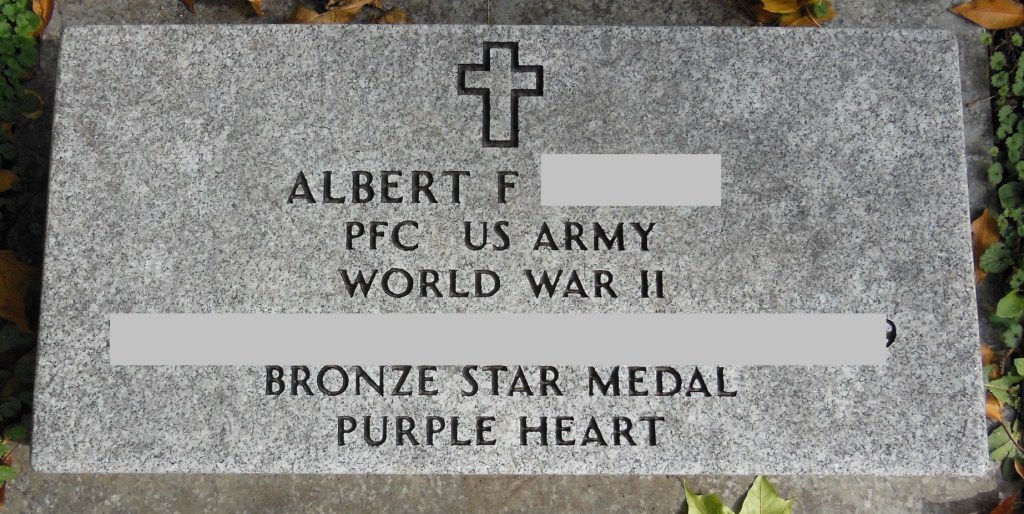
I’ve always supported our troops, especially because my father was a Seaman in the Navy during the Vietnam War. My paternal grandfather, a World War II veteran, was a Bronze Star Medal and Purple Heart recipient. As you may remember, I wrote about supporting our troops during the Gulf War by tying yellow ribbons around the trees in my parents’ front yard. That war alone claimed between 100,000 and 200,000 civilian lives. The human cost of the “War on terror” has been enormous. Direct and indirect deaths combined have resulted in at least 4.5–4.7 million deaths in various conflict areas, and the number is still rising.
In 2004, I volunteered for John Kerry’s presidential campaign in Wisconsin. I distinctly remember U2’s “Beautiful Day” being played at his rallies. The Democratic Party’s 2004 platform was not much different than the Republican’s on foreign policy, as far as I’m concerned. My support for Kerry was more of a protest against George W. Bush, who is likely still looking for those weapons of mass destruction.
Credit United Press International.
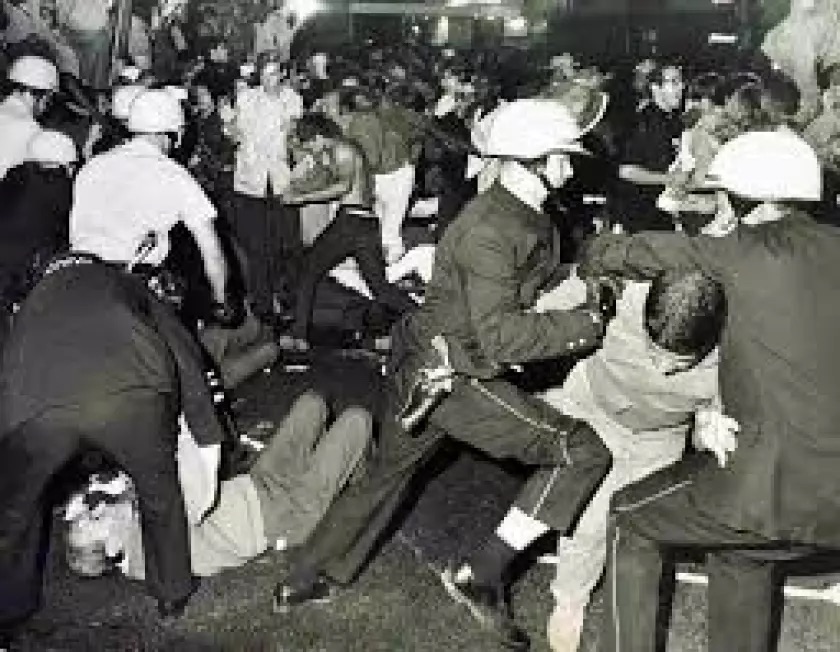
In 1968, the Democratic Party’s platform was more hardline than the Republicans’ on the Vietnam War. Unlike the Republican platform, which called for less US participation in Vietnam, Democrats advocated for a sustained robust American combat effort. It was Democrat Harry Truman who made the first commitment by the United States to Vietnam. John Kennedy expanded the United States military presence in South Vietnam, turning it into a testing ground for counterinsurgency theories and practices. And, of course, Lyndon Johnson invaded South Vietnam with an army that grew to half a million men on the ground, destroying large portions of the country with heavy bombing and murdering and injuring hundreds of thousands of Vietnamese people. The Democratic Party-controlled Congress supported the war year after year, including votes from well-known war protesters such as Bobby Kennedy and Eugene McCarthy. The Republicans gained the presidency by portraying themselves as the party of “law and order” and “peace with honor.”
Tell me when the Democratic Party opposed war, please. Maybe I’m overlooking something.
 Ms. Cat’s Chronicles
You must be logged in to post a comment.