
How the US bankrolled Duterte’s alleged crimes against humanity
Less than a month after Duterte took office, then- Secretary of State John Kerry announced a $32 million weapons and training package specifically to support the Philippine National Police. He made no mention of Duterte’s numerous threats to weaponize law enforcement on the campaign trail, or the fact that 239 suspected drug users had already been killed by police without due process at that point.
Obama’s administration authorized $90 million in military aid to the Philippines in 2016 and roughly $1 billion during the 8 years he was in office. As a growing chorus of human rights advocates criticized the United States for supporting Duterte’s atrocities, the Obama administration suspended some security assistance for the Philippine National Police in November of 2016, but kept military funding at normal levels.
These suspensions were swiftly reversed when Donald Trump took office in 2017. “I just want to congratulate you because I am hearing of the unbelievable job [you’re doing] on the drug problem,” he told Duterte in a phone call shortly after being inaugurated.
In 2018, the Trump administration provided $55 million to the Philippine National Police in aid and arm sales and $193.5 million in military aid to the Philippines overall. This aid package enabled Duterte’s regime on two fronts.
“The war on drugs was primarily implemented by the Philippine National Police, but the attacks on human rights defenders and activists were mainly done by the military,” said Philippine-based human rights activist Judy Pasimio in an interview with Responsible Statecraft.
Pasimio took to the streets in 2016 for a demonstration organized by a coalition of civil society groups to protest the first 100 killings carried out in the drug war. “We understood that this can cross over. This isn’t just about killings in the war on drugs, it will extend to killings of activists in the pretext of the war on drugs,” she said.
…
Under President BongBong Marcos, Duterte’s successor, the Philippine government continues to persecute human rights organizations and carry out drug related killings– all while enjoying massive amounts of military aid from Washington.
Just last month, the Trump administration clarified that a $336 million aid bundle for “modernizing Philippine security forces” would be among the few packages to be exempt from his foreign aid freeze.
“The United States sees the Philippines as part of its overall policy of countering China,” said Sarang Shidore, director of the Global South Program at the Quincy Institute.
Related:
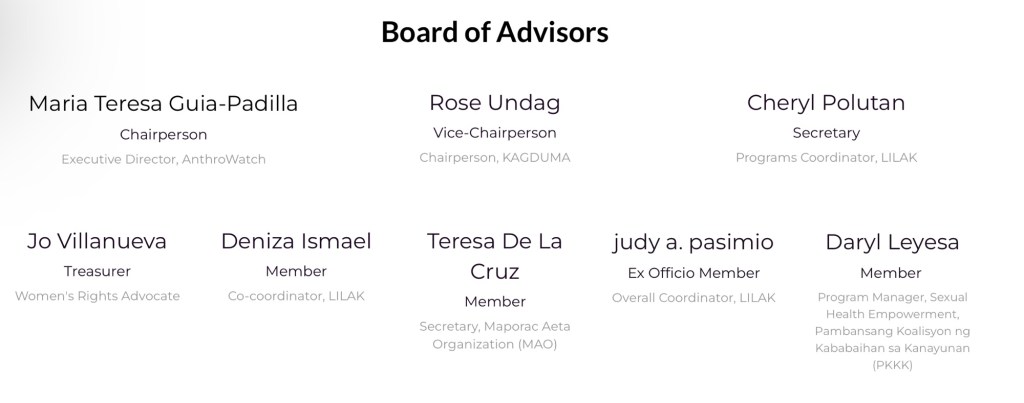
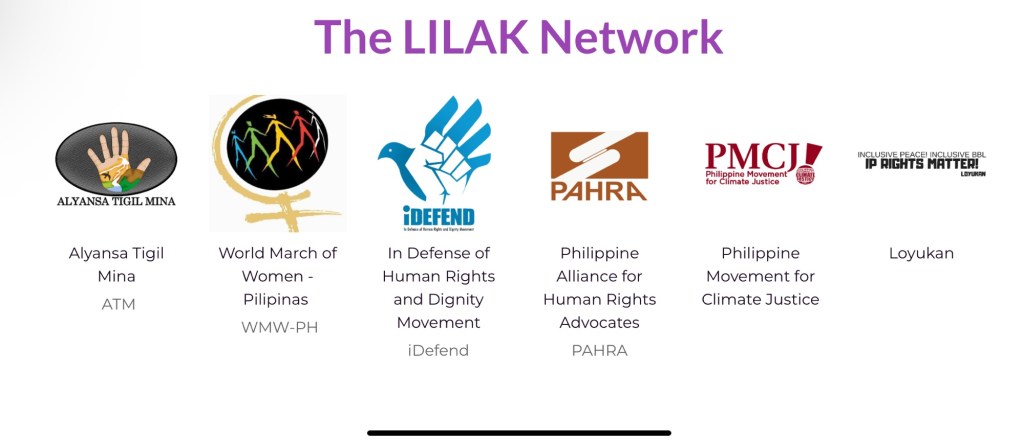
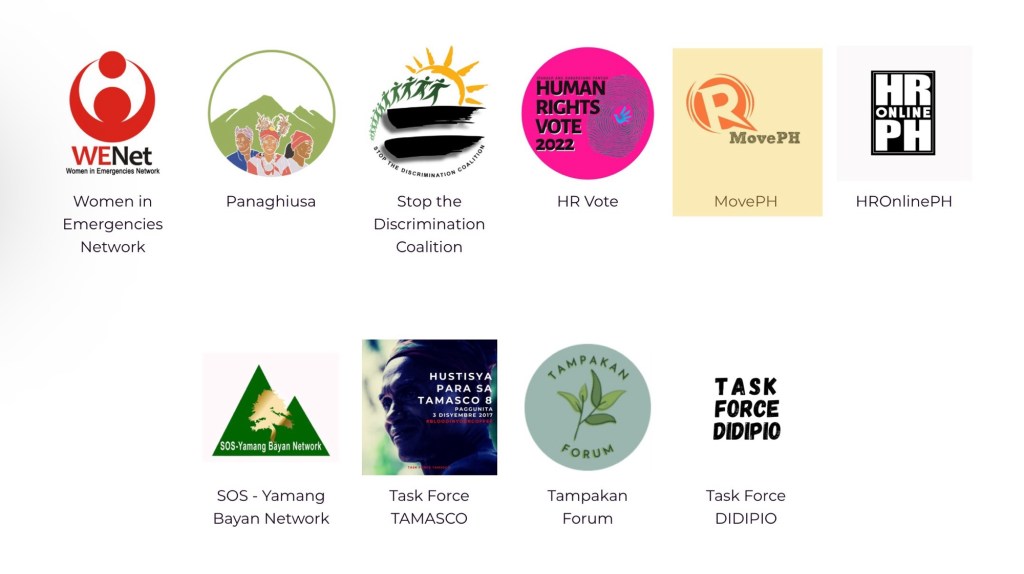
This article from Quincy Institute for Responsible Statecraft cites Human Rights Watch (HRW) and Judy Pasimio from LILAK, which is affiliated with Rappler’s MovePH. Rappler is funded by the Omidyar Network.
Pierre Omidyar’s Funding of Pro-Regime-Change Networks and Partnerships with CIA Cutouts
With this history in mind, it’s easy to understand why Soros’ old pal Sasa Vucinic might view Rappler’s user-monitoring tools as a worthwhile investment. In June of 2018, Rappler launched its “civil engagement arm,” MovePH, which it describes as “an ecosystem of civic action enablers and doers collaborating towards sustainable progress and nation-building.”
“Do you want to be part of a bigger movement?” Rappler asks. “Do you have an event or activity that needs an extra social media boost? Do you want to harness the power of social media to amplify your group’s advocacy?”
MovePH, claims Rappler, is here to guide you “whether you’re an individual or a member of a non-governmental organization or student organization.” Potential movers and shakers are invited to attend a meeting at Rappler’s headquarters.
HRW, Omidyar Network, & Rappler: Front organizations
Document: Arrest of Rodrigo Duterte
Quincy Institute for Responsible Statecraft’s financial supporters
The Quincy Institute for Responsible Statecraft is also part of the Atlas Network.
 Ms. Cat’s Chronicles
You must be logged in to post a comment.